Commercial Refrigeration Solutions for Convenience Stores in Malaysia
Energy-efficient refrigeration systems built for high traffic, frequent door opening, and long operating hours.
Refrigeration Challenges in Restaurant Operations
01
Long operating hours lead to high electricity consumption
02
Frequent door opening affects temperature stability
03
Clear product visibility is needed to support sales
04
Limited space requires compact, efficient designs
Our Solutions for Restaurants
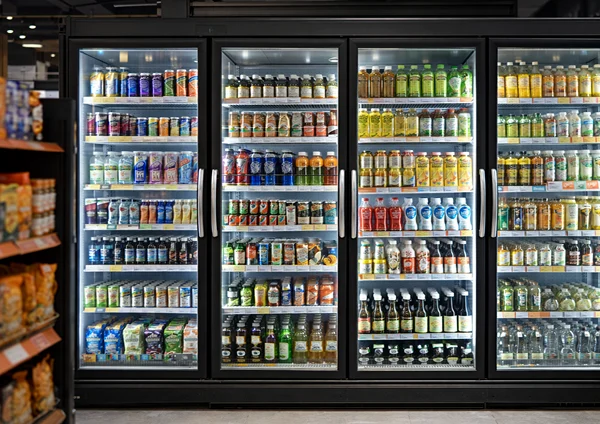
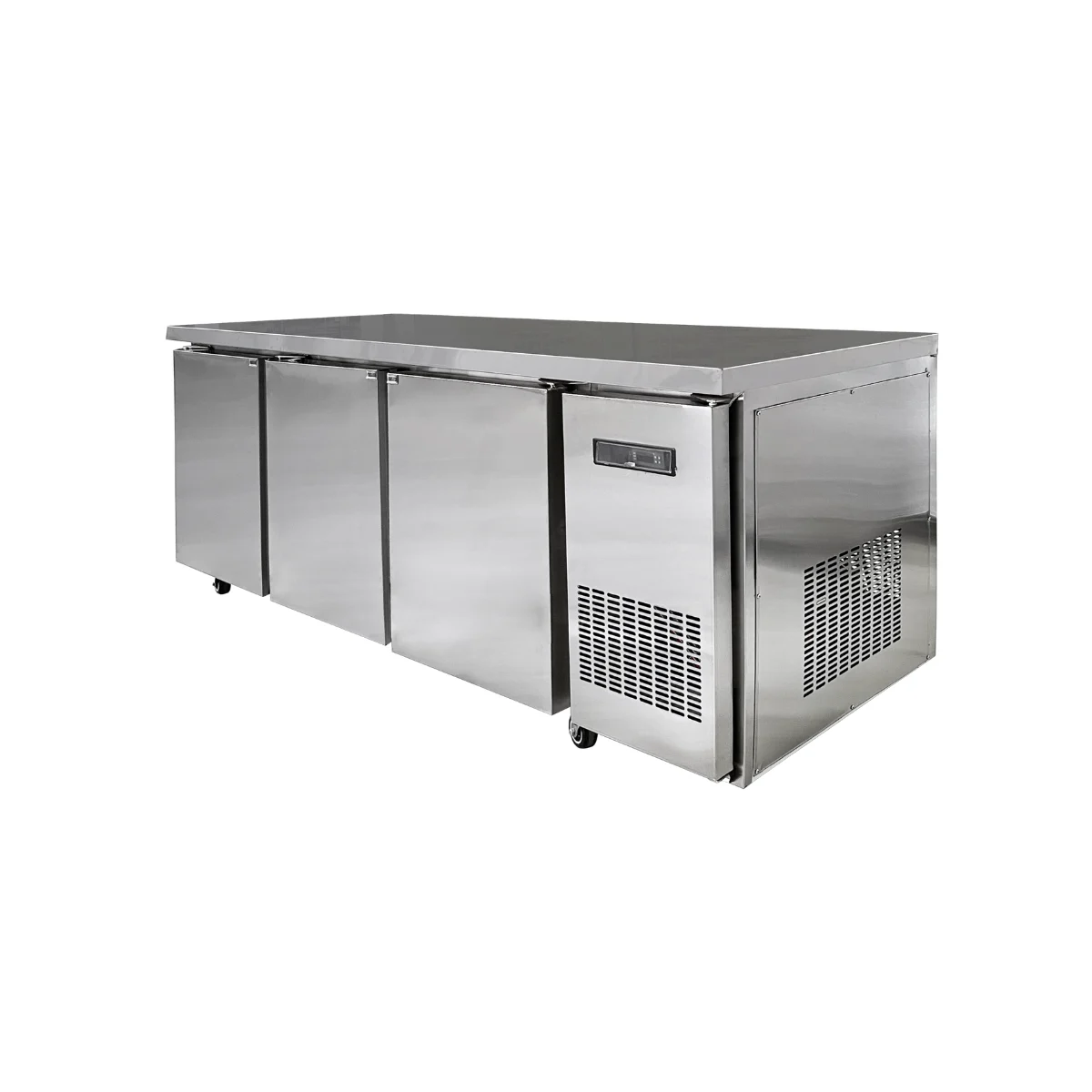
Upright Chillers and Freezers
For backroom storage
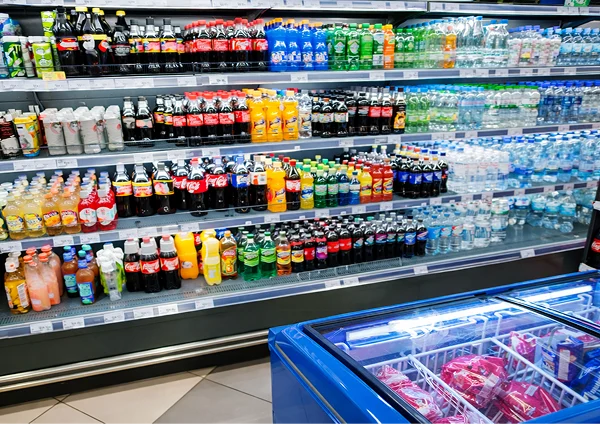
Open Chillers
For grab-and-go retail display
Display Freezers
For frozen goods and ice cream
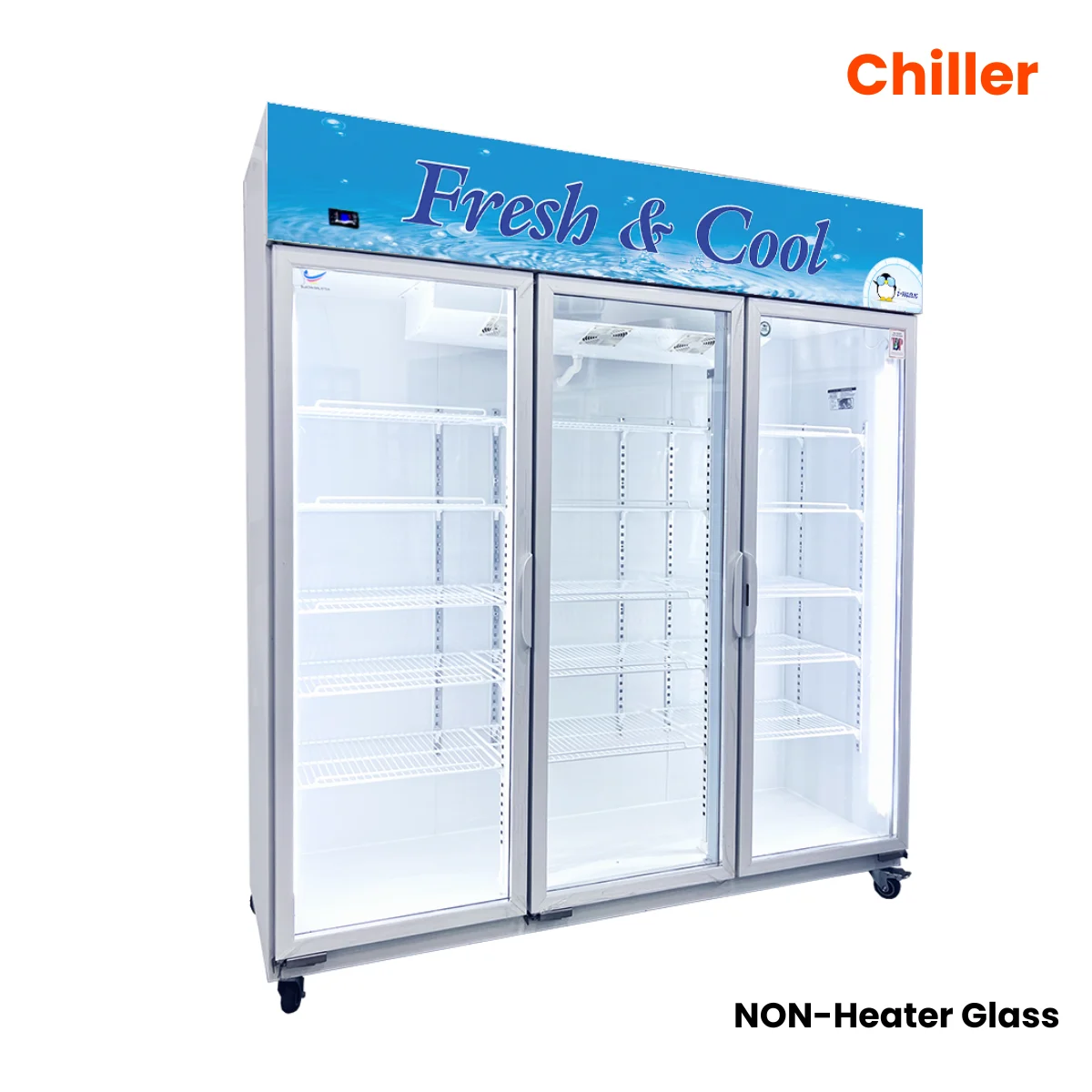
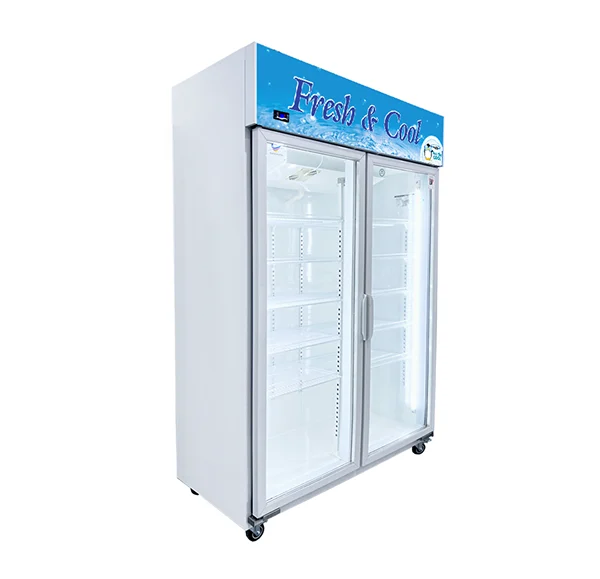
Display Chillers
For beverages and ready-to-eat items
Why Our Refrigeration Is Designed for Convenience Stores
- Inverter options to reduce energy consumption
- Stable cooling performance for product freshness
- Visibility-friendly display designs to support sales
- Custom configurations to match store layout
Recommended Products for Convenience Stores
Manufacturing & Support Advantage

Malaysia Local Manufacturer

Faster Spare Parts Availability

Fast Technical Support

Custom Fabrication Available
Frequently Asked Questions
What temperature range is recommended for beverage display chillers?
Beverage chillers are commonly set between 2°C to 6°C depending on product type and store traffic.
Are inverter models suitable for 24/7 store operation?
Yes. Inverter options help reduce energy consumption by matching compressor output to operating load throughout the day.
Do you provide anti-fog glass door options for display units?
Yes. Heated glass and anti-fog features are available for selected display models to maintain visibility and presentation.
What unit type is suitable for stores with limited floor space?
Upright display chillers and compact undercounter units are suitable when space is limited while still maintaining storage capacity.
How can I reduce downtime if a unit needs servicing?
We support faster turnaround through local spare parts availability and technical service coverage, helping minimise operational disruption.